Common Causes of a Furnace Blower Motor Failure
A furnace blower motor failure happens when the part that pushes warm air through your home stops working. This usually happens because of age, dirt buildup, electrical problems, bearing wear, or lack of maintenance. When your furnace blower motor fails, your heating system can’t move warm air through your vents. This means your home stays cold even when your furnace is running. Fixing a blower motor can cost between $150 and $500, depending on your furnace type and how bad the damage is. Regular cleaning and yearly checkups can help your blower motor last longer.
Table of Contents
| Cause of Blower Motor Failure | Warning Signs | Prevention Tips |
|---|---|---|
| Dirt and Dust Buildup | Reduced airflow, strange noises | Regular filter changes, annual cleaning |
| Electrical Problems | Motor won’t start, burning smell | Surge protection, professional inspections |
| Worn Bearings | Squealing or grinding noises | Regular lubrication, professional maintenance |
| Age and Wear | Inconsistent operation, frequent cycling | Replace motors older than 10-15 years |
| Overheating | Motor shuts off, burning smell | Keep vents clear, ensure proper ventilation |
What is a Furnace Blower Motor?
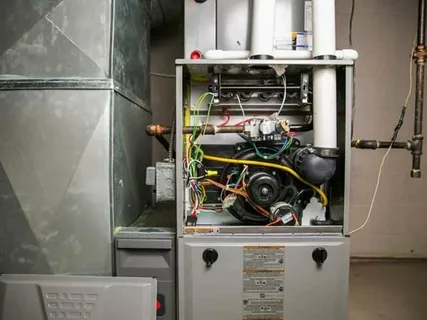
A furnace blower motor is the heart of your heating system. It’s the part that pushes warm air from your furnace through the ducts and into your rooms. Without a working blower motor, your furnace might create heat, but that heat would stay trapped inside the unit.
Think of the furnace blower motor like a fan. It spins to move air around. When you set your thermostat to a certain temperature, the furnace creates heat. Then the blower motor pushes that warm air through your home.
Most furnace blower motors are about the size of a coffee can. They have a metal case with a fan inside. The motor spins the fan, which moves the air. Blower motors can last 10-20 years with good care, but they do wear out over time.
5 Common Causes of Furnace Blower Motor Failure
1. Dirt and Dust Buildup
Dirt is the number one enemy of your furnace blower motor. When dust and dirt build up on the motor and its parts, it can cause big problems. The dirt acts like a blanket, trapping heat inside the motor. This makes the motor work harder and get hotter than it should.
Over time, this extra heat can damage the motor’s parts. The wires inside can melt, and the motor can burn out completely. Dirt can also get into the bearings, making them wear out faster.
The best way to prevent dirt problems is to change your furnace filter regularly. Most filters should be changed every 1-3 months. This simple step keeps dirt from reaching your blower motor in the first place.
2. Electrical Problems
Your furnace blower motor runs on electricity, so electrical issues can cause it to fail. Power surges from storms or problems with your home’s wiring can damage the motor. Sometimes the motor’s capacitor (a part that helps it start) can fail.
Wiring problems inside the motor itself can also happen. The wires can become loose or damaged over time. When this happens, the motor might run poorly or not at all.
Signs of electrical problems include:
- The motor won’t start at all
- The motor starts but then stops quickly
- You hear humming sounds but the fan doesn’t spin
- You smell a burning odor near your furnace
If you notice any of these signs, turn off your furnace right away and call a professional. Electrical problems can be dangerous and should be fixed by someone with training.
3. Worn Out Bearings
Your furnace blower motor has bearings that help the fan spin smoothly. These bearings can wear out over time. When they do, the motor has to work harder to spin, which can cause it to overheat and fail.
You can usually tell if your motor’s bearings are going bad by the sounds it makes. A motor with worn bearings often makes squealing, grinding, or scraping noises. These sounds happen because metal is rubbing against metal without enough lubrication.
Some blower motors have sealed bearings that can’t be fixed. In these cases, the whole motor needs to be replaced when the bearings wear out. Other motors have bearings that can be lubricated or replaced by a professional.
Regular maintenance can help catch bearing problems before they cause your furnace blower motor to fail completely. A yearly tune-up by a heating professional is a good idea.
4. Age and Normal Wear
Just like any machine with moving parts, furnace blower motors wear out over time. Most blower motors last about 10-15 years with proper care. After that, they become more likely to fail even with good maintenance.
As a motor ages, its parts naturally wear down from use. The windings inside can break down, the bearings wear out, and the motor becomes less efficient. An older motor uses more electricity and may not move air as well as it once did.
Signs that your furnace blower motor is wearing out due to age include:
- The motor runs more loudly than it used to
- Your furnace doesn’t heat your home as well
- The motor seems to run all the time
- Your energy bills are higher than normal
If your furnace blower motor is more than 10 years old and showing these signs, it might be time to think about replacing it before it fails completely.
5. Overheating
Overheating is both a cause and a result of many blower motor problems. When a motor overheats, the internal parts can melt or become damaged. This leads to complete failure of the furnace blower motor.
Several things can cause a motor to overheat:
- Blocked air vents or returns in your home
- A dirty air filter that restricts airflow
- Too much dirt on the motor itself
- Electrical problems that make the motor work harder
- Worn bearings creating extra friction
Modern furnace blower motors have safety features that shut them down if they get too hot. If your blower keeps shutting off, overheating might be the cause. Don’t keep resetting it without fixing the underlying problem, as this can cause permanent damage.
Warning Signs of a Failing Furnace Blower Motor
Catching blower motor problems early can save you from complete furnace failure and expensive emergency repairs. Here are the main warning signs to watch for:
Unusual Noises
Your furnace should run fairly quietly. If you start hearing new or strange noises, your furnace blower motor might be in trouble. Listen for:
- Squealing: Often means the belt is worn or the bearings need lubrication
- Grinding: Usually indicates bad bearings
- Banging or thumping: Could mean something is loose or broken inside
- Humming but no movement: The motor might be trying to start but can’t
Don’t ignore these sounds. They almost always get worse, not better, without attention.
Weak Airflow
If the air coming from your vents feels weaker than normal, your furnace blower motor might be struggling. Put your hand in front of different vents around your house. The air should come out with good force.
Weak airflow can happen when:
- The motor is losing power
- The motor can’t spin at full speed
- The motor is overheating and cycling on and off
Remember that some vents naturally have stronger airflow than others based on their location. Compare the current airflow to what you normally feel from each vent.
Furnace Short Cycling
Short cycling means your furnace turns on and off too frequently. This can happen when the blower motor overheats and shuts down as a safety measure. Once it cools, it tries to run again, creating a cycle.
This pattern puts extra stress on your entire heating system. It also means your home isn’t being heated properly. If you notice your furnace running for just a few minutes before shutting off, then starting again soon after, your furnace blower motor might be failing.
Higher Energy Bills
A struggling furnace blower motor uses more electricity than a healthy one. If your energy bills are climbing and you haven’t changed how you use your heating system, check your furnace.
A failing motor might:
- Run longer to move the same amount of air
- Draw more power while running
- Cause your furnace to work harder overall
Compare your current bills to the same month from last year. A sudden increase could point to furnace blower motor problems.
How to Prevent Furnace Blower Motor Failure
Taking care of your furnace blower motor can help it last longer and work better. Here are some simple steps you can take:
Regular Filter Changes
Changing your furnace filter is the easiest and most important thing you can do. A clean filter keeps dirt away from your blower motor and helps air flow freely.
Most filters should be changed every 1-3 months. If you have pets or allergies, you might need to change it more often. Check your filter monthly and replace it when it looks dirty.
Filters come in different sizes and types. Make sure you get the right one for your furnace. The size is usually printed on the side of your old filter.
Keep Vents and Returns Clear
Make sure all your air vents and return grills are open and not blocked by furniture, rugs, or curtains. Blocked vents make your furnace blower motor work harder to push air through your home.
Also clean your vents regularly with a vacuum to remove dust. This helps keep your whole system cleaner.
Schedule Annual Maintenance
Having a professional check your furnace once a year can catch problems before they cause your furnace blower motor to fail. During a tune-up, a technician will:
- Clean the blower assembly
- Check the motor’s electrical connections
- Lubricate moving parts if needed
- Test the motor’s performance
- Look for signs of wear or damage
The best time for this check-up is in the fall, before you need your heating system for winter.
Install a Surge Protector
Power surges can damage your furnace blower motor’s electrical components. Consider having a whole-house surge protector installed to protect all your appliances, including your furnace.
This is especially important if you live in an area with frequent storms or power outages. A surge protector is much cheaper than a new blower motor.
DIY vs. Professional Repair
When your furnace blower motor has problems, you might wonder if you can fix it yourself. Here’s what you should know:
What You Can Do Yourself
Some simple tasks are safe for homeowners to do:
- Change the furnace filter
- Check for blocked vents
- Make sure the thermostat is set correctly
- Check the circuit breaker if the furnace won’t run
- Look for obvious problems like loose wires or objects in the blower area (with power off)
These basic checks might solve simple problems or help you describe the issue to a professional.
When to Call a Professional
For most furnace blower motor problems, it’s best to call a trained HVAC technician. You should always call a pro if:
- You smell burning or electrical odors
- The motor makes loud or unusual noises
- You need to replace the motor
- There are electrical issues
- The motor runs but doesn’t blow air
- You’re not comfortable working with heating equipment
Working with furnace parts can be dangerous if you don’t have the right training and tools. Furnaces involve electricity, gas, and carbon monoxide risks. A mistake could lead to injury or more damage.
Costs of Furnace Blower Motor Replacement
If your furnace blower motor needs to be replaced, the cost will depend on several factors:
Parts Costs
A new furnace blower motor typically costs between $100 and $400 just for the part. The price varies based on:
- The type of motor (single-speed, multi-speed, or variable-speed)
- The size and power of the motor
- The brand of your furnace
- Whether you need a direct replacement or can use a universal motor
Variable-speed motors cost more but are more efficient and quieter. They can save money on energy bills over time.
Labor Costs
Professional installation usually costs between $150 and $250 for labor. This includes:
- Removing the old motor
- Installing the new one
- Testing to make sure everything works properly
- Disposing of the old parts
The total cost for parts and labor typically ranges from $250 to $650, depending on your furnace type and where you live.
Cost vs. Full Furnace Replacement
Sometimes it makes more sense to replace your whole furnace instead of just the blower motor. Consider a full replacement if:
- Your furnace is more than 15 years old
- You’ve had other major repairs recently
- Your furnace is inefficient (has a low AFUE rating)
- The cost of the repair is more than 50% of a new furnace
A new furnace costs more upfront but could save money in the long run through better efficiency and fewer repairs.
Frequently Asked Questions
How long does a furnace blower motor typically last?
A furnace blower motor usually lasts between 10 and 20 years. With good maintenance, some can last even longer. Factors that affect lifespan include how often the motor runs, how well it’s maintained, and the quality of the original motor.
Can I run my furnace if the blower motor is making noise?
It’s not recommended to keep running your furnace if the blower motor is making unusual noises. These sounds often mean something is wrong, and continuing to run the motor could cause more damage. It’s best to have it checked by a professional as soon as possible.
Will my home warranty cover a blower motor replacement?
Many home warranties do cover furnace blower motor replacement, but coverage varies by policy. Check your warranty documents or call your warranty company to confirm. Even with coverage, you might still need to pay a service call fee or deductible.
How can I tell if my furnace blower motor capacitor is bad?
Signs of a bad capacitor include: the blower motor not starting, humming sounds without movement, the motor starting slowly, or the motor shutting off unexpectedly. A professional can test the capacitor to confirm if it’s the problem. Capacitors are much cheaper to replace than the entire motor.
Is it normal for a furnace blower motor to get hot?
Furnace blower motors do get warm during normal operation, but they shouldn’t be too hot to touch. If your motor feels very hot or you smell burning, turn off your furnace and call a professional. Excessive heat can damage the motor and could be a fire hazard.
Keeping Your Home Warm and Safe
Your furnace blower motor plays a key role in keeping your home comfortable during cold weather. By understanding the common causes of failure and watching for warning signs, you can often prevent complete breakdowns and extend the life of your heating system.
Regular maintenance is the best way to protect your furnace blower motor. Simple steps like changing filters, keeping vents clear, and scheduling yearly check-ups can save you money and prevent the discomfort of heating system failures.
When problems do occur, don’t hesitate to call a professional. Working with heating systems requires special knowledge and tools. For expert help with your furnace blower motor or any heating system needs, contact Any Temp Heating and Cooling. Our trained technicians can diagnose problems quickly and get your home warm again. Book an appointment today to ensure your heating system is ready when you need it most.