
Why Integrating Air Purifiers with Your HVAC System Matters for Allergy Sufferers
Do you sneeze and sniffle your way through allergy season? You’re not alone! Millions of people deal with the same problem every year. Integrating air purifiers with HVAC for allergies could be the solution you’ve been looking for. This combo works together to kick allergens out of your home and help you breathe easier.
Did you know that most of us spend about 90% of our time indoors? The EPA says indoor air can actually be 2-5 times dirtier than outdoor air! That’s why integrating air purifiers with your HVAC system for allergy protection isn’t just about feeling better – it’s about living healthier too.
For homeowners in Addison and nearby areas, this approach helps manage allergens while keeping energy bills in check. Let’s look at how this works and why it might be perfect for your home.
Addison, IL Pollen Alert: Why Air Quality Matters Now More Than Ever
If you live in Addison, IL, you’ve probably noticed the high pollen counts lately. Local weather reports show that tree pollen is at its highest level in five years! Oak, maple, and birch trees are the main culprits. Even people with mild allergies are feeling it this year.
Addison has lots of mature trees, and our recent weather has created the perfect storm for pollen. Warm days and cool nights have made the pollen season last longer than usual. Many neighbors tell us they’re keeping their windows closed even on nice days just to avoid the sneezing.
This is exactly when integrating air purifiers with HVAC for allergies makes the most sense. Your regular HVAC filter catches some pollen, but a real air purification system can drastically cut down the allergens floating around your home.
Understanding Your HVAC System’s Role in Air Quality
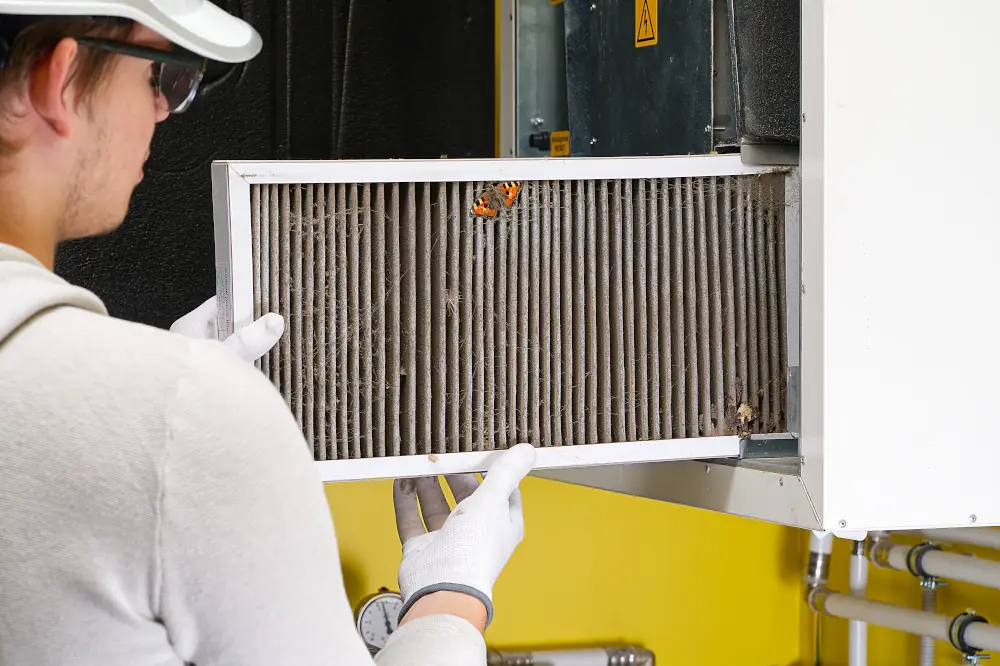
Your HVAC system already filters your air, but most standard filters have limits. The basic filters that come with most systems are mainly designed to protect your equipment, not your lungs. They catch big dust particles but let many allergens slip through.
When thinking about integrating air purifiers with HVAC for allergies, you should know about MERV ratings. This is just a scale from 1-20 that tells you how good a filter is at catching tiny particles:
- MERV 1-4: Catches bigger stuff like pollen and dust mites
- MERV 5-8: Catches things like most mold spores
- MERV 9-12: Catches smaller particles like lead dust
- MERV 13-16: Catches really tiny stuff like bacteria and smoke
- MERV 17-20: These are HEPA filters that catch almost everything
Just remember, higher MERV ratings mean less airflow. This makes your system work harder and might raise your energy bills or wear out your equipment faster.
Benefits of Integrating Air Purifiers with Your HVAC System for Allergy Protection
Integrating air purifiers with HVAC for allergies has some big advantages over just using portable units:
- Cleans Your Whole Home: Unlike portable units that only clean one room, integrated systems clean the air throughout your entire house.
- Better Filtering: Combined systems can catch more types and sizes of allergens and dirt.
- Saves Energy: One integrated system often uses less power than running several portable units.
- Less Noise: Most whole-home purifiers run quietly compared to the fan noise from portable units.
- Super Convenient: You don’t have to remember to turn on multiple machines or change filters on different schedules.
The biggest win for allergy sufferers is getting cleaner air everywhere in the home. While portable units might create clean zones in certain rooms, integrating air purifiers with HVAC for allergies makes your entire home a safe haven from allergens.
Types of Air Purification Technologies for HVAC Integration
When you’re looking into integrating air purifiers with HVAC for allergies, you’ll see several different technologies:
Advanced Filtration Systems
These use special filters that go beyond your standard HVAC filter. HEPA filters can remove up to 99.97% of tiny particles. But true HEPA filtration often needs system changes because it restricts airflow so much.
Electronic Air Cleaners
These use an electric charge to attract and trap particles. They don’t restrict airflow as much, and instead of replacing filters, you can wash the collection cells. They’re really good at catching super small particles that might slip through regular filters.
UV Light Purifiers
These use special UV-C light to kill germs like bacteria, viruses, and mold. They’re usually used along with filters since they don’t actually remove particles – they just kill the living ones.
| Technology | Best For | Maintenance Needs | Cost |
|---|---|---|---|
| Advanced Filtration | Dust, allergens, pet hair | New filter every 6-12 months | Medium |
| Electronic Air Cleaners | Tiny particles, smoke | Clean cells every 3-6 months | Medium-High |
| UV Light Purifiers | Germs, mold, bacteria | New bulb every 1-2 years | Medium |
| Combination Systems | Everything in the air | Several different parts | High |
Steps to Integrate Air Purifiers with Your HVAC System
Thinking about integrating air purifiers with HVAC for allergies? Here’s how to do it right:
- Figure Out What You Need: Think about what triggers your allergies and how big your home is. Different systems target different problems.
- Check Your Current System: Have a pro look at your existing HVAC to see if it can handle adding purification. Older systems might need upgrades.
- Pick the Right Technology: Based on your specific needs, choose the type of purification that makes sense for you.
- Get Professional Installation: DIY might be tempting, but professional installation makes sure everything works together properly.
- Keep Up with Maintenance: Set reminders to keep your system running well. This might mean changing filters, cleaning parts, or replacing UV bulbs.
Having a pro install your system is super important when integrating air purifiers with HVAC for allergies. If it’s not installed right, it might not work well, or it could even damage your HVAC equipment.
Cost Considerations and Return on Investment
Adding air purifiers to your HVAC system typically costs between $500 and $2,500, depending on what you choose and how big your home is. That might seem like a lot upfront, but think about these benefits:
- Less money spent on allergy meds: Many people find they don’t need as much medication when their air is cleaner.
- Lower energy bills: Some integrated systems actually improve how efficiently your HVAC runs.
- Fewer doctor visits: Better air quality often means fewer sick visits for allergy and asthma flare-ups.
- Longer-lasting HVAC system: Good filtration keeps dust from building up on your equipment, which can help it last longer.
When you think of it as an investment in your family’s health rather than just a home upgrade, integrating air purifiers with HVAC system for allergies makes a lot of sense. Many homeowners see it as money well spent, just like other health expenses that improve life quality.
Maintenance Tips for Integrated Air Purification Systems
To keep your air purification system working great, follow these simple maintenance tips:
- Change filters when needed: Mark your calendar or set phone reminders for filter changes based on what the manufacturer recommends.
- Clean the electronic parts: If you have electronic air cleaners, clean the collection cells regularly so they keep working well.
- Get yearly check-ups: Having a pro check your system once a year ensures everything is working together properly.
- Pay attention to how you feel: If your allergies start acting up again, it might be time for some maintenance.
- Keep outdoor units clear: Make sure nothing blocks your external HVAC parts – no piles of leaves, overgrown plants, or other stuff.
Regular maintenance keeps your air clean and protects the money you invested. If you neglect the system, it won’t work as well against allergens.
Frequently Asked Questions About Integrating Air Purifiers with HVAC Systems
Q: Will adding an air purifier to my HVAC system make my energy bills go up? A: There might be a small increase, but most integrated systems are designed to be energy-efficient. The increase is usually much less than running several portable air purifiers throughout your home.
Q: How often do I need to change filters in an integrated air purification system? A: It depends on the type of system and how much you use it. Generally, special filters need to be replaced every 6-12 months. Your HVAC pro can give you specific advice based on your system and air quality needs.
Q: Can I add an air purification system to my existing HVAC, or do I need a new HVAC system? A: Most existing HVAC systems can work with some form of air purification. But it depends on what you have now. A professional can check your system and tell you what will work with it.
Q: Will integrating air purifiers with my HVAC system get rid of all my allergy symptoms? A: Most people see big improvements, but completely eliminating symptoms depends on what you’re allergic to and other factors in your environment. Indoor air quality is just one part of managing allergies, but it’s an important one.
Making the Right Choice for Your Family’s Air Quality Needs
When deciding about integrating air purifiers with HVAC for allergies, think about your family’s specific health concerns. Homes with people who have asthma or allergies probably need more comprehensive solutions than homes without these issues.
Try to work with HVAC pros who specialize in air quality rather than general contractors. These specialists can give you recommendations that actually address your specific concerns instead of one-size-fits-all solutions.
Remember that improving your home’s air quality is an investment in your family’s health and comfort. With the right approach to integrating air purifiers with HVAC for allergies, you can create a home where everyone breathes easier and feels better.
Ready to Breathe Easier? Next Steps with Any Temp Heating and Cooling
Want to explore how air purifiers could work with your HVAC system? Any Temp Heating and Cooling can help! Our air quality experts can check your current system, listen to your concerns, and suggest solutions that make sense for your home. Give us a call today to set up a consultation and take the first step toward cleaner, healthier air for your family.