When to Switch from AC to Heat in Illinois
The best time to switch from AC to heat in Illinois typically falls between late September and mid-October, when overnight temperatures consistently drop below 60°F. This transition period varies based on your location within Illinois, with northern regions often requiring heat earlier than southern areas. Rather than picking a specific calendar date, pay attention to both outdoor temperatures and indoor comfort levels. Most Illinois residents find that when nighttime temperatures fall below 55°F for several consecutive days, it’s time to make the switch to heating mode.
Table of Contents
| Illinois Region | Typical AC-to-Heat Switch Period | Average Overnight Temperatures |
|---|---|---|
| Northern Illinois (Chicago area) | Late September to early October | 45-55°F |
| Central Illinois (Springfield area) | Early to mid-October | 50-60°F |
| Southern Illinois (Carbondale area) | Mid to late October | 55-65°F |
Understanding Illinois Heating Season
Illinois heating season officially begins when the cold weather settles in across the state. This typically happens in October, though exact timing varies by region. The Illinois heating season generally runs from October through April, with the coldest months being December through February.
Northern Illinois, including Chicago and its suburbs, experiences earlier and longer heating seasons. Residents in this region often need to switch from AC to heat by late September or early October.
Central Illinois cities like Springfield and Peoria usually transition a week or two later than the northern parts of the state. The heating season here typically begins in early to mid-October.
Southern Illinois enjoys milder temperatures longer into the fall. Cities like Carbondale and Belleville might not need consistent heating until mid to late October.
Illinois Climate Factors
Illinois has a continental climate with four distinct seasons. Fall temperatures can fluctuate dramatically, making the AC-to-heat transition tricky.
Lake Michigan significantly impacts northeastern Illinois weather patterns. The lake effect can delay the first frost in Chicago and surrounding areas, sometimes extending the cooling season.
Rural areas tend to experience colder overnight temperatures than urban centers. This is due to the urban heat island effect, where cities retain more heat than surrounding countryside.
Signs It’s Time to Switch from AC to Heat
Temperature Indicators
Consistent overnight temperatures below 60°F signal it’s time to consider switching systems. When daytime highs struggle to reach 70°F for several days in a row, your home may need heating rather than cooling.
Morning indoor temperatures feeling chilly (below 65°F) indicate your home is retaining the overnight cold. This is a clear sign that heating may be needed.
Comfort Factors
If you’re adding extra blankets to your bed or wearing sweaters indoors, your body is telling you it’s heating season. Cold floors in the morning, especially on tile or hardwood surfaces, suggest your home needs heating.
Family members complaining about being cold is a simple but effective indicator. Children and elderly family members often feel temperature changes more acutely.
Home Behavior Changes
When you find yourself closing windows that were open all summer, it’s a sign of the seasonal shift. If you’re no longer using ceiling fans or are reversing their direction to push warm air down, heating season has arrived.
Pets seeking warmer sleeping spots or cuddling more than usual can indicate dropping temperatures. Animals are sensitive to temperature changes and will adjust their behavior accordingly.
Thermostat Switching Tips
Programmable Thermostat Settings
Program your thermostat for fall transitions with a comfortable daytime temperature around 68-70°F. Set nighttime temperatures slightly lower (65-68°F) to save energy while you sleep.
Many modern thermostats have “auto” mode that can switch between heating and cooling as needed. This is perfect for fall in Illinois when temperatures fluctuate widely.
Create a schedule that accounts for when your home is occupied. There’s no need to heat an empty house to the same level as when everyone is home.
Smart Thermostat Advantages
Smart thermostats learn your preferences and adjust automatically to seasonal changes. Some models can even detect when temperatures are falling and switch modes without manual input.
Many smart thermostats allow remote control via smartphone apps. This lets you turn on the heat before arriving home on a chilly evening.
Weather-responsive smart thermostats can access local forecasts and adjust your HVAC system accordingly. This feature is especially helpful during Illinois’ unpredictable fall weather.
Energy-Saving Temperature Settings
The U.S. Department of Energy recommends setting your thermostat to 68°F when you’re awake and at home during heating season. This balances comfort with energy efficiency.
Lower your thermostat by 7-10°F when you’re asleep or away from home. This simple change can save up to 10% on heating costs.
Consider a temperature range rather than a fixed number. Setting your thermostat between 66-70°F gives you flexibility while maintaining reasonable energy usage.
Fall HVAC Transition Checklist
Before Turning On Heat
Replace your furnace filter before the first use of the season. A clean filter improves efficiency and air quality.
Check all vents and registers to ensure they’re open and unblocked by furniture or rugs. Blocked vents force your system to work harder.
Test your heating system by turning it on briefly before you actually need it. This allows you to identify any issues while the weather is still mild.
Maintenance Tasks
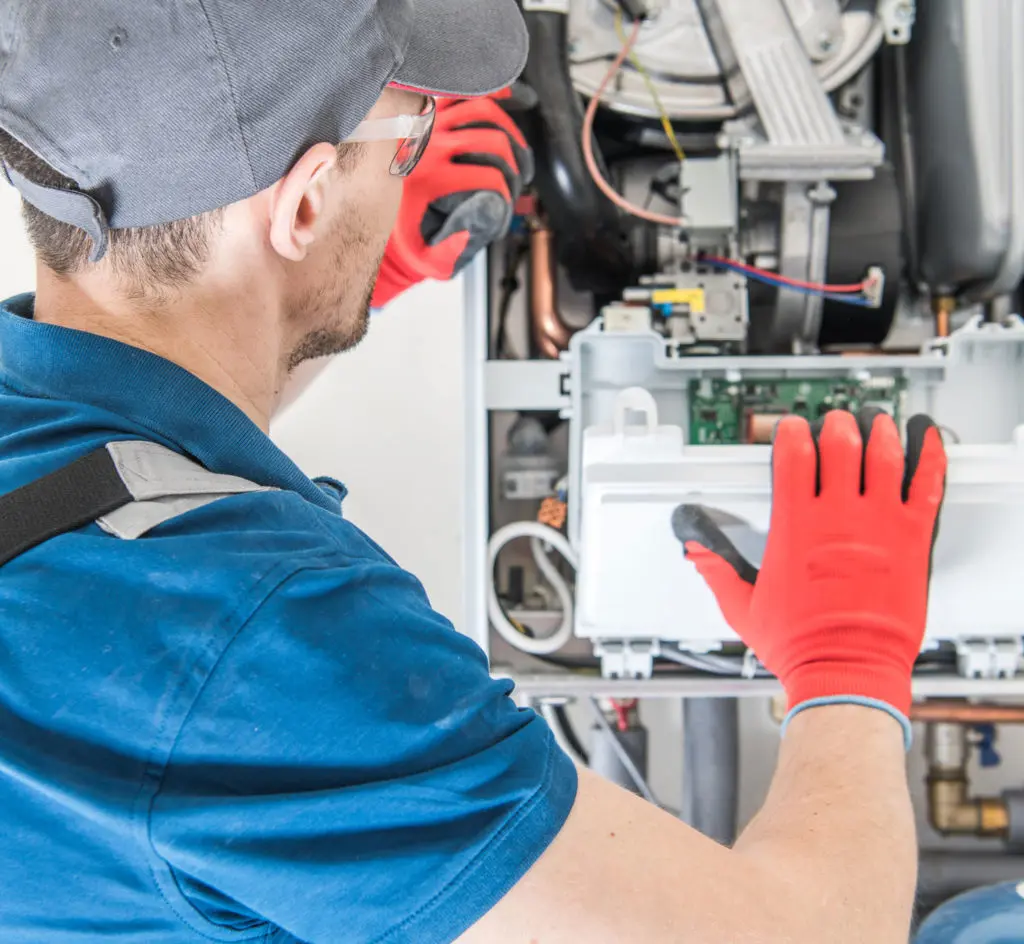
Schedule a professional HVAC inspection in early fall, ideally in September. This ensures your heating system is ready when you need it.
Clean around your outdoor HVAC unit, removing leaves, sticks, and debris that accumulated during summer. This improves airflow and system efficiency.
Check your carbon monoxide detectors and replace batteries if needed. This is crucial safety maintenance before using gas heating systems.
Efficiency Improvements
Seal any drafts around windows and doors with weatherstripping or caulk. This prevents heat loss and keeps your home warmer.
Add or check insulation in your attic and walls. Proper insulation can reduce heating costs by up to 20%.
Consider installing a humidifier if your home gets very dry during heating season. Proper humidity levels (30-50%) make your home feel warmer at lower temperatures.
Seasonal Temperature Changes in Illinois
Fall Temperature Patterns
Illinois typically sees its first frost between early October (northern regions) and late October (southern regions). This marks a definitive shift toward heating season.
Fall in Illinois brings temperature swings that can exceed 30°F in a single day. These fluctuations make flexible HVAC management essential.
The average daily high temperature drops about 10°F per month from September to November across Illinois. This steady decline requires gradual adjustments to your heating strategy.
Regional Variations
Chicago and northern Illinois experience average first freeze dates around October 15th. The city’s proximity to Lake Michigan can delay freezing temperatures compared to areas further inland.
Central Illinois cities like Springfield typically see first freezes around October 20th. The region’s open prairies allow for rapid temperature changes as weather fronts move through.
Southern Illinois may not experience freezing temperatures until early November. The region’s lower elevation and southern latitude provide a longer transition period.
Climate Change Impacts
Recent years have shown more variable fall weather patterns in Illinois. Climate change has led to less predictable transitions between seasons.
The traditional heating season start has shifted later in many parts of Illinois. Some years now see warm temperatures extending well into October.
Despite later starts, winter cold snaps can still arrive suddenly. This makes having your heating system ready by early October a wise precaution regardless of current temperatures.
Energy Efficiency During Transition Seasons
Managing In-Between Days
On mild fall days, consider using natural ventilation instead of mechanical heating or cooling. Opening windows during warm afternoons and closing them before evening can maintain comfort without using energy.
Use ceiling fans to circulate air and make rooms feel more comfortable without adjusting the thermostat. Remember to run them clockwise in heating season to push warm air down.
Take advantage of solar heat gain by opening curtains on south-facing windows during sunny days. Close them at night to retain heat.
Cost-Saving Strategies
Dress in layers indoors during transition seasons. Adding a sweater can keep you comfortable while keeping the thermostat a few degrees lower.
Use space heaters strategically in occupied rooms rather than heating the entire house. This works well during mild fall weather when only occasional heating is needed.
Cook at home more often during fall. Your oven and stovetop add heat to your home while preparing meals, reducing the need for additional heating.
Avoiding Common Mistakes
Don’t constantly switch between heating and cooling modes on the same day. This wastes energy and puts stress on your HVAC system.
Avoid setting your thermostat to extreme temperatures. Setting it very high won’t heat your home faster but will waste energy.
Don’t forget to adjust your programmable thermostat schedules when seasons change. Many people set their winter and summer programs but forget to update them during transition periods.
Special Considerations for Illinois Homes
Older Homes
Historic homes common in Illinois cities often have less insulation and more air leaks. These homes may need heating earlier in the season.
Older radiator systems take longer to heat up and cool down. Plan ahead when switching these systems on for the season.
Homes with original windows may experience significant heat loss. Consider temporary window insulation kits for the heating season.
Modern Construction
Newer homes with better insulation can often delay switching to heat. Their thermal efficiency maintains comfortable temperatures longer into the fall.
Homes with zoned HVAC systems can heat only the areas being used. This is particularly useful during fall when heating needs vary throughout the day.
Energy-efficient homes may benefit from passive solar heating during fall. South-facing windows can provide significant warmth on sunny days.
Rural vs. Urban Settings
Rural Illinois homes often experience colder temperatures earlier than urban homes. The lack of surrounding buildings and concrete means faster cooling at night.
Urban homes benefit from the heat island effect, where city materials absorb and release heat. This can delay the need for heating by several weeks.
Homes in windy rural areas face greater heat loss from wind chill. These properties may need to switch to heating earlier in the season.
Frequently Asked Questions
Is there an official date when I should switch from AC to heat in Illinois?
There’s no official date for switching from AC to heat in Illinois. Instead, pay attention to consistent overnight temperatures below 60°F and your personal comfort level. Most Illinois residents make the switch sometime between late September and late October, depending on their location within the state.
Will switching between heating and cooling damage my HVAC system?
Occasional switching between heating and cooling won’t damage modern HVAC systems. However, frequent switching within the same day can cause unnecessary wear. During fall transition periods, try to commit to either heating or cooling for at least 24 hours before switching modes.
How can I save money during the fall transition period?
To save money during fall transitions, use programmable thermostat settings, dress in layers, utilize natural heating from sunlight, and ensure your home is properly sealed against drafts. Consider using the “auto” mode on your thermostat if available, and only heat rooms that are being actively used.
Should I have my furnace inspected before turning it on?
Yes, having your furnace professionally inspected before the heating season is highly recommended. This ensures safe operation, prevents unexpected breakdowns during cold weather, and maintains efficiency. Schedule this maintenance in early fall before the first cold snap arrives.
What temperature should I set my thermostat to during Illinois fall?
During Illinois fall, most experts recommend setting your thermostat between 66-70°F when you’re home and awake. You can lower it to 62-65°F when sleeping or away. These settings balance comfort with energy efficiency during the transition season.
Making the Seasonal Switch with Confidence
Knowing when to switch from AC to heat in Illinois doesn’t have to be complicated. By paying attention to consistent overnight temperatures below 60°F and your personal comfort level, you can make the transition at the right time for your specific situation. Remember that northern Illinois typically needs heat earlier than southern regions, and rural areas cool faster than urban centers.
Prepare your heating system before you need it by scheduling maintenance, changing filters, and testing operation during mild weather. This proactive approach prevents discomfort and emergency service calls when temperatures suddenly drop. Use programmable thermostats and energy-saving strategies to maintain comfort while controlling costs during the variable fall weather.
When you need professional help with your seasonal HVAC transition, book an appointment with Any Temp Heating and Cooling. Our experienced technicians can ensure your system is ready for the heating season ahead, providing peace of mind and reliable comfort throughout Illinois’ challenging winter months. Call now!